Boring tech.On purpose.
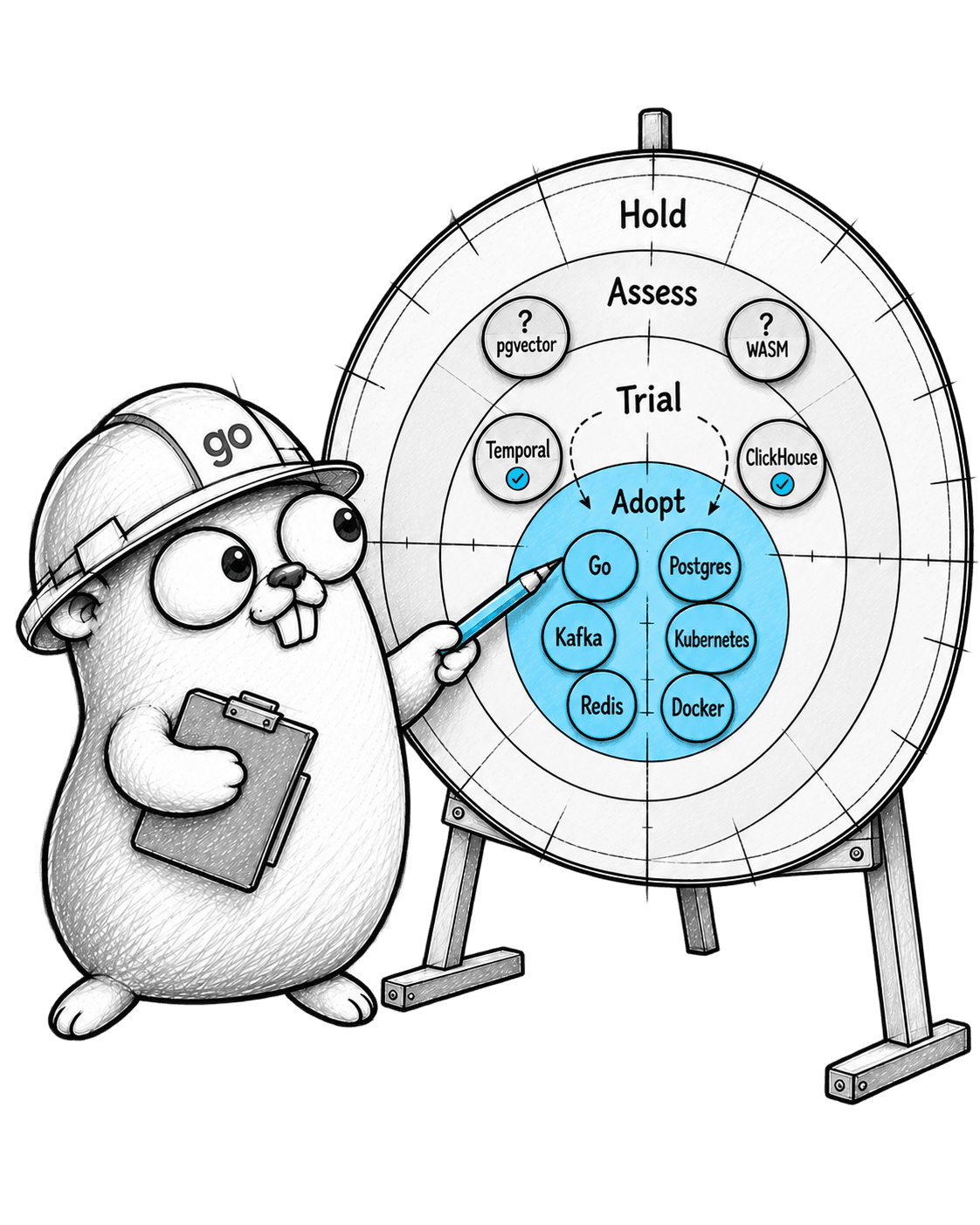
Choose technologies that have run real enterprise systems for years, not the ones trending this month. Proven tools mean fewer surprises, predictable costs and software that is still easy to maintain years from now.
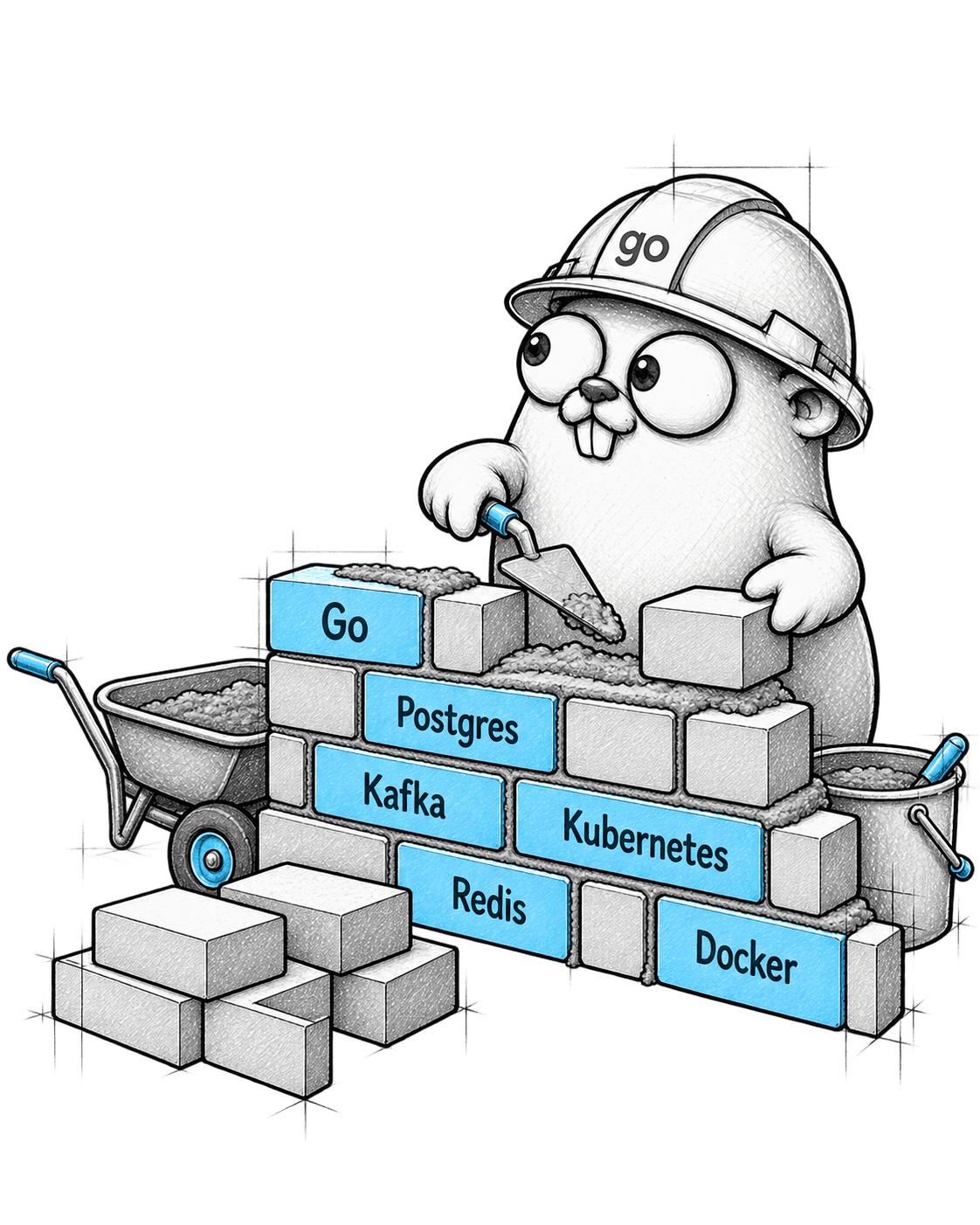
STACK PROVEN IN PRODUCTION
- Go
- Kubernetes
- Docker
- Kafka
- Postgres
- Redis
- Terraform
- OpenTelemetry
- Prometheus
- Grafana
- Claude
Hype fades.Systems stay.
Pick long-term support over the latest release
Mature ecosystems come with long-term support, security patches and documentation that already answers your questions. Teams build features instead of debugging a framework that is still finding its feet.
Upgrade, don’t rewrite
Stable technologies evolve in small, predictable steps. Systems grow with the business through regular upgrades instead of an expensive rewrite every couple of years.
Keep the dependency tree small
Every new library is a bet. Fewer, well-established dependencies mean less chance that a critical piece disappears, changes its license or stops being maintained.
Language.Still matters.
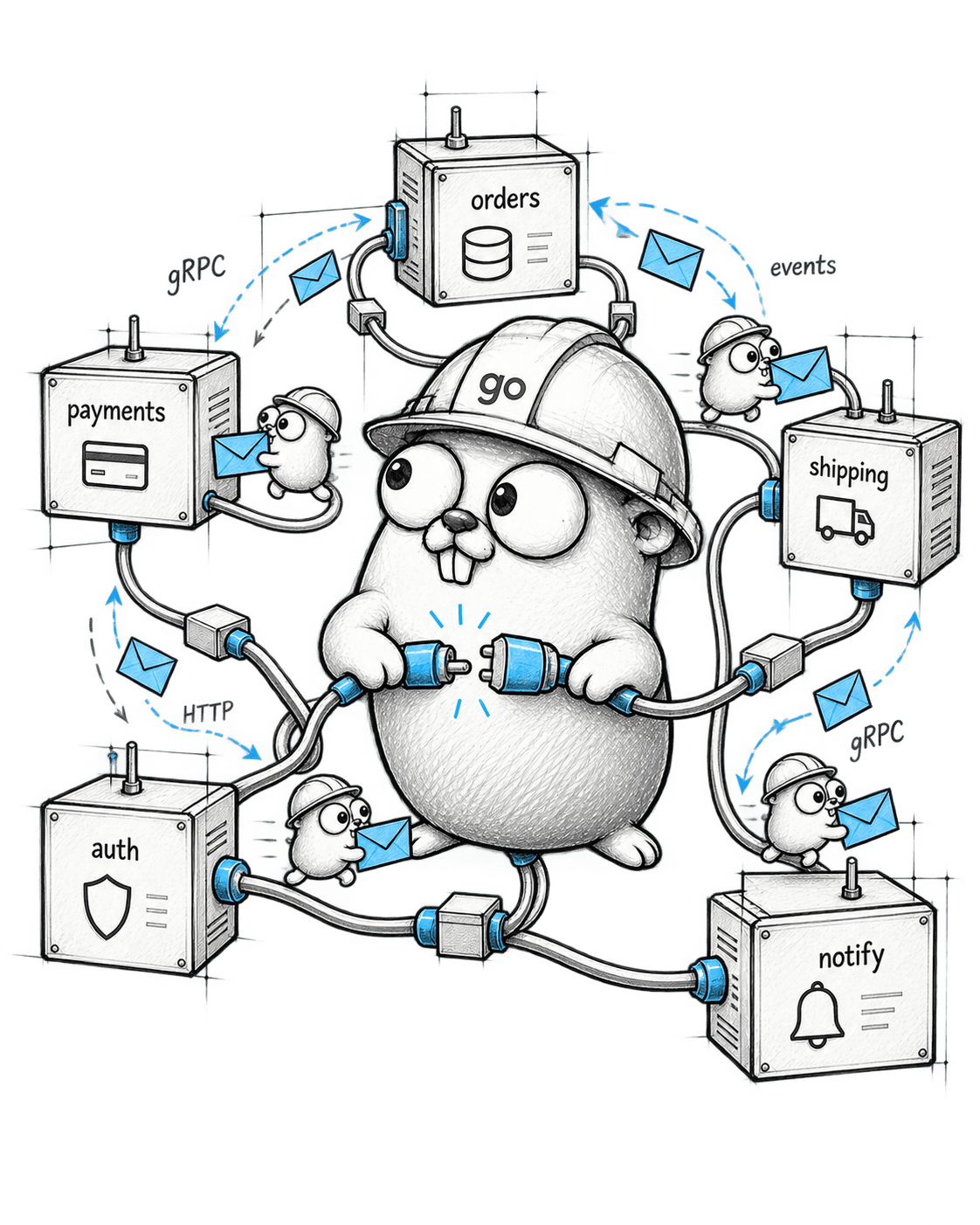
Choose a language for systems that talk
Modern software is a network of services, APIs and events. The hard part is no longer the logic inside one service, but the communication between them. Pick a language built for that, and half of the complexity simply disappears.
Handle many things at once
Goroutines and channels make handling thousands of connections, messages and background jobs simple and readable. Teams write concurrent code without heavy frameworks or callback chains, and it stays easy to reason about and debug.
Keep the stack narrow
Kubernetes, Docker and Terraform are written in Go for a reason. A strong standard library for HTTP and gRPC, single static binaries and fast startup mean simpler deployments, lower cloud costs and fewer moving parts in production.